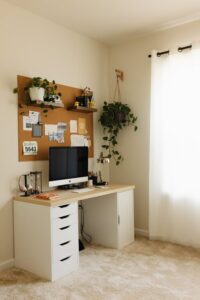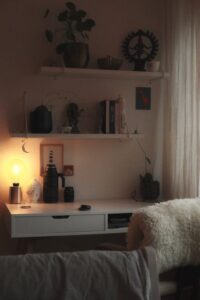
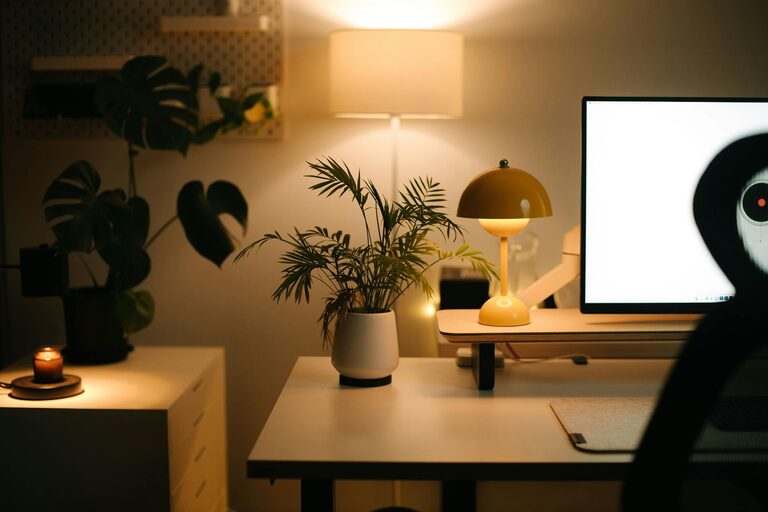
Creating a home office that feels cozy while also being highly productive can transform your work-from-home experience. Whether you are establishing a new workspace or improving an existing one, the right balance between comfort and functionality helps you stay focused and motivated. Here are practical tips to design a home office environment that supports both well-being and efficiency.
Choose the Right Location
Prioritize Natural Light
Natural light has a positive effect on mood and energy levels. Position your desk near a window if possible to benefit from daylight. Avoid glare on computer screens by placing your monitor perpendicular to the light source.
Minimize Distractions
Select a quiet corner or room where household noise is minimal. If space is limited, use room dividers or noise-cancelling headphones to create a focused atmosphere.
Invest in Ergonomic Furniture
Comfortable Chair
A good office chair supports your posture and reduces strain during long hours of work. Look for adjustable height, lumbar support, and cushioning.
Desk Size and Height
Choose a desk with enough space for your computer, documents, and other essentials. Ensure the desk height allows your elbows to rest comfortably at a 90-degree angle when typing.
Optimize Lighting
Combine Ambient and Task Lighting
While natural light is ideal, supplement it with warm ambient lighting to create a relaxed atmosphere. Use a desk lamp with adjustable brightness to reduce eye strain during focused tasks.
Avoid Harsh Fluorescent Lights
Seek soft, warm light bulbs to maintain a cozy feel without sacrificing visibility.
Organize Thoughtfully
Declutter Your Workspace
A tidy desk minimizes distractions and clears mental space. Keep only essential items within reach and store other supplies in drawers or shelves.
Use Storage Solutions
Incorporate shelves, drawers, or filing cabinets to keep paperwork and office tools organized. Label containers to find what you need quickly.
Personalize Your Space
Add Plants
Indoor plants not only beautify your workspace but can also improve air quality and reduce stress.
Incorporate Inspiring Decor
Hang artwork or photos that motivate you. Choose colors and decorations that make you feel happy and calm.
Maintain a Comfortable Temperature and Air Quality
Control Room Temperature
Keep your home office at a comfortable temperature. Use fans, heaters, or open windows as needed to avoid distractions caused by discomfort.
Ensure Good Air Circulation
Fresh air keeps you alert. If natural ventilation is limited, consider an air purifier.
Establish an Efficient Technology Setup
Reliable Internet Connection
A stable internet connection is essential for smooth remote work. Use wired connections if possible, or position your router close to your workspace.
Cable Management
Keep cables organized using clips or sleeves to reduce clutter and prevent accidents.
Set Boundaries for Work and Breaks
Define Work Hours
Establish a clear schedule to separate work time from personal time. This helps maintain work-life balance and reduces burnout.
Create Break Zones
Step away from your desk periodically. Designate an area nearby where you can relax during breaks.
Incorporate Comfort Elements
Cozy Textiles
Use rugs, cushions, or throws to add warmth and softness to your workspace.
Adjustable Window Treatments
Blinds or curtains help regulate natural light and privacy according to the time of day.
Conclusion
Designing a home office that is both cozy and productive is about combining comfort with practical solutions. By focusing on lighting, ergonomics, organization, and personal touches, you can create a workspace that supports your best work. Small changes can make a big difference in your daily experience, turning your home office into a space you enjoy spending time in.