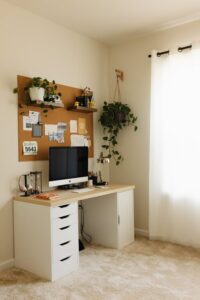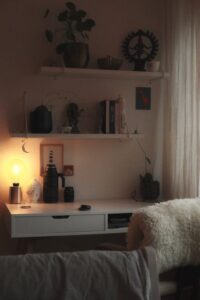
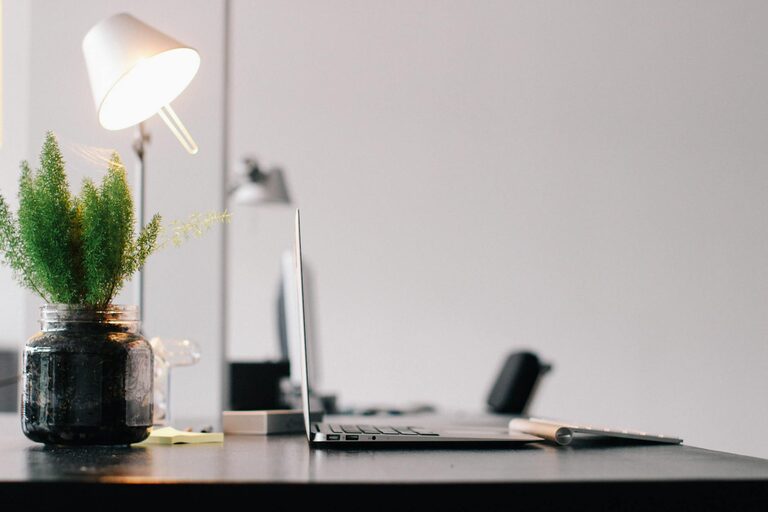
Creating a relaxing home office environment is essential for staying productive and comfortable while working from home. A well-designed workspace can reduce stress, improve focus, and help maintain a healthy work-life balance. Whether you have a dedicated room or a small corner, there are many ways to make your home office a calming place that supports your work.
In this article, we’ll explore practical tips for designing and organising your home office to make it both relaxing and effective.
Choose the Right Location
Selecting the best spot for your home office sets the foundation for a productive workspace.
– Natural Light: Position your desk near a window if possible. Natural light helps reduce eye strain and uplifts your mood.
– Quiet Area: Choose a quiet corner or room where you can minimise distractions.
– Ventilation: Good airflow keeps the space fresh and comfortable.
If space is limited, even a nook in the living area can become an inviting spot with the right setup.
Invest in Comfortable and Functional Furniture
Comfort is key to staying focused longer without physical discomfort.
– Ergonomic Chair: Choose a chair that supports your back and encourages good posture.
– Adjustable Desk: If possible, use a desk with adjustable height to alternate between sitting and standing.
– Desk Size: Ensure your desk has enough space for your computer, notebooks, and any other tools you use daily.
Adding a footrest or cushions can improve comfort further.
Declutter and Organise Efficiently
A tidy workspace promotes clear thinking and reduces stress.
– Minimalism: Keep only essential items on your desk.
– Storage Solutions: Use shelves, drawers, or organisers to store supplies neatly.
– Cable Management: Use clips or cable boxes to keep cords under control.
Take a few minutes at the end of each day to tidy your workspace for the next morning.
Incorporate Calming Colours and Decorations
Colour and decor influence the mood of your workspace.
– Colour Palette: Soft blues, greens, and neutrals tend to have calming effects.
– Plants: Indoor plants add life and help purify the air.
– Personal Touches: Include artwork, photos, or objects that inspire you without cluttering the space.
Avoid overly bright or harsh colours that may increase stress.
Adjust Lighting for Comfort and Focus
Proper lighting reduces eye strain and sets the right ambiance.
– Combine Natural and Artificial Light: Use daylight when possible, supplemented by adjustable desk lamps.
– Warm Light: Choose bulbs with warm light tones instead of harsh white to create a cozy atmosphere.
– Avoid Glare: Position monitors and light sources to minimise reflections and glare on screens.
Consider smart lighting systems that can adjust brightness throughout the day.
Maintain a Comfortable Temperature and Air Quality
Physical comfort directly affects concentration and productivity.
– Temperature Control: Use fans, heaters, or air conditioning to keep the room at a comfortable temperature.
– Fresh Air: Open windows regularly or use air purifiers to improve air quality.
– Humidity: Use a humidifier if your home is too dry, especially in winter.
Comfortable surroundings help you focus and avoid fatigue.
Establish Clear Boundaries and Routines
A relaxing home office environment also relies on mental clarity.
– Defined Work Hours: Set specific start and end times to separate work from personal life.
– Dedicated Workspace: Avoid working from beds or couches to create physical boundaries.
– Breaks and Movement: Schedule regular breaks to stretch or take a short walk.
Using noise-cancelling headphones or background music can also help maintain focus.
Use Technology Mindfully
Technology can either support or distract, depending on how you manage it.
– Organised Digital Workspace: Keep your files and desktop clean and use productivity apps smartly.
– Notifications: Turn off non-essential notifications during work hours to avoid interruptions.
– Good Equipment: Invest in a reliable internet connection and proper hardware to reduce frustration.
Mindful use of technology helps maintain a stress-free work environment.
Final Thoughts
Building a relaxing home office environment doesn’t require a big renovation or expensive gadgets. Simple changes such as choosing the right location, investing in ergonomic furniture, adding plants, and organising your space thoughtfully can transform your workday. When your workspace feels calm and inviting, you’ll naturally find it easier to concentrate and enjoy your work.
Start with small adjustments and see what works best for you. A relaxed mind in a well-designed home office is a powerful formula for productivity.